

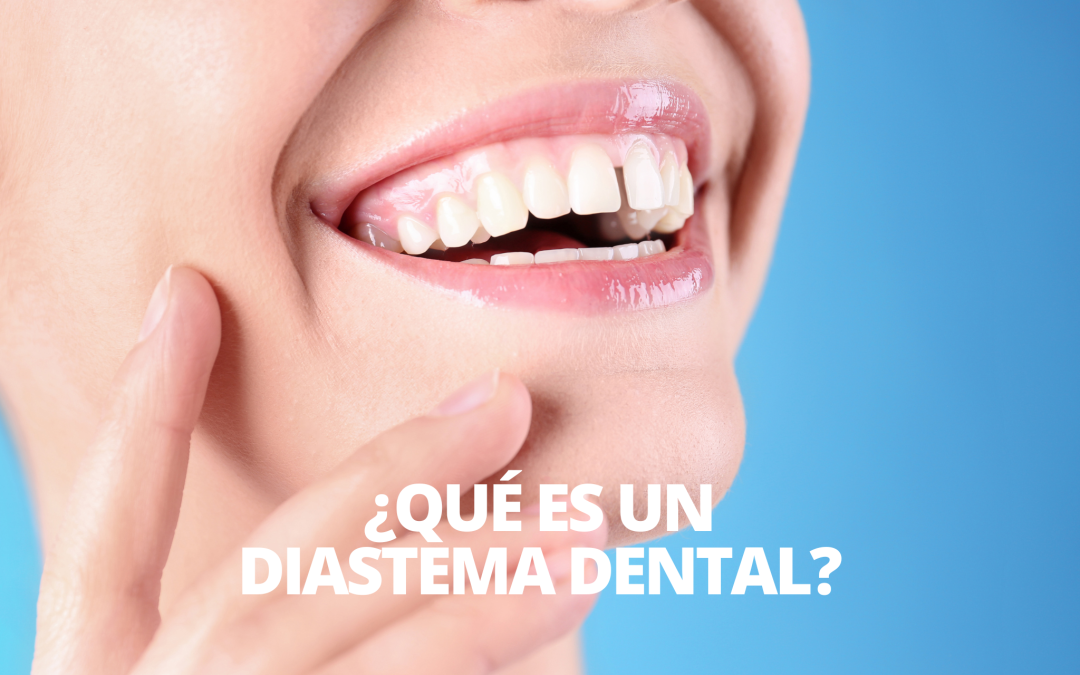
What is a Diastema?
A diastema refers to a space or gap between two or more teeth, most commonly found between the upper incisors (the front teeth). However, this gap can appear between any pair of teeth or molars.
Diastemas are often observed in primary teeth and are generally not a cause for concern in children. In fact, they are usually considered a positive sign, indicating that there will likely be enough space for the larger permanent teeth to erupt properly. Nevertheless, it is always advisable to have an orthodontic evaluation to ensure that the diastema is not caused by other underlying issues.
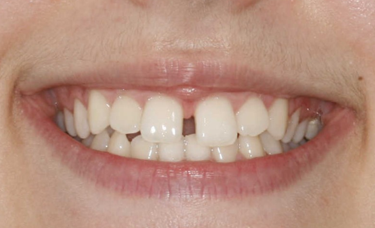
What is a diastema?
The orthodontist will consider several factors when making a diagnosis, such as the patient’s age, the presence of oral habits like lip biting or thumb sucking, and any bite-related issues. Based on these factors, the cause of the diastema will be identified, and the most appropriate treatment will be recommended.
Diagnosis is carried out through a dental examination and a visual evaluation by the orthodontist. X-rays may also be taken to assess the size and shape of the teeth and the surrounding bone structures.
Causes of Dental Diastema
Diastema does not have a single cause; rather, it can result from a variety of factors, including genetics or bite misalignment.
The absence of one or more teeth can also lead to diastema, as the adjacent teeth may shift to fill the empty space.
Variations in tooth size can be another contributing factor. In some cases, one or more teeth may be smaller than normal, creating gaps between them.
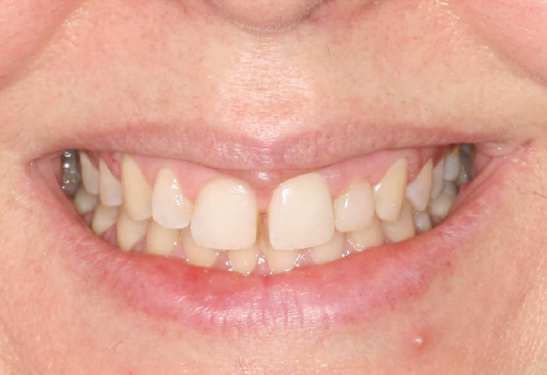
A diastema does not have a single cause; rather, it can result from a variety of factors.
It may have a genetic origin, or it could be associated with bite problems or jaw misalignment.
Another possible cause is the absence of a tooth, as the adjacent teeth tend to shift to fill the empty space left behind.
Tooth size discrepancies can also lead to the development of a diastema. In some cases, one or more teeth may be smaller than average, creating visible gaps.
What are the risks?
A diastema can negatively impact oral health. The accumulation of plaque and bacteria on the teeth and gums is more likely when there are spaces between teeth, increasing the risk of tooth decay.
Other potential consequences include gum irritation or injury, as well as speech difficulties due to improper tongue placement or airflow during pronunciation.

Dental Diastema Treatment
Our cases
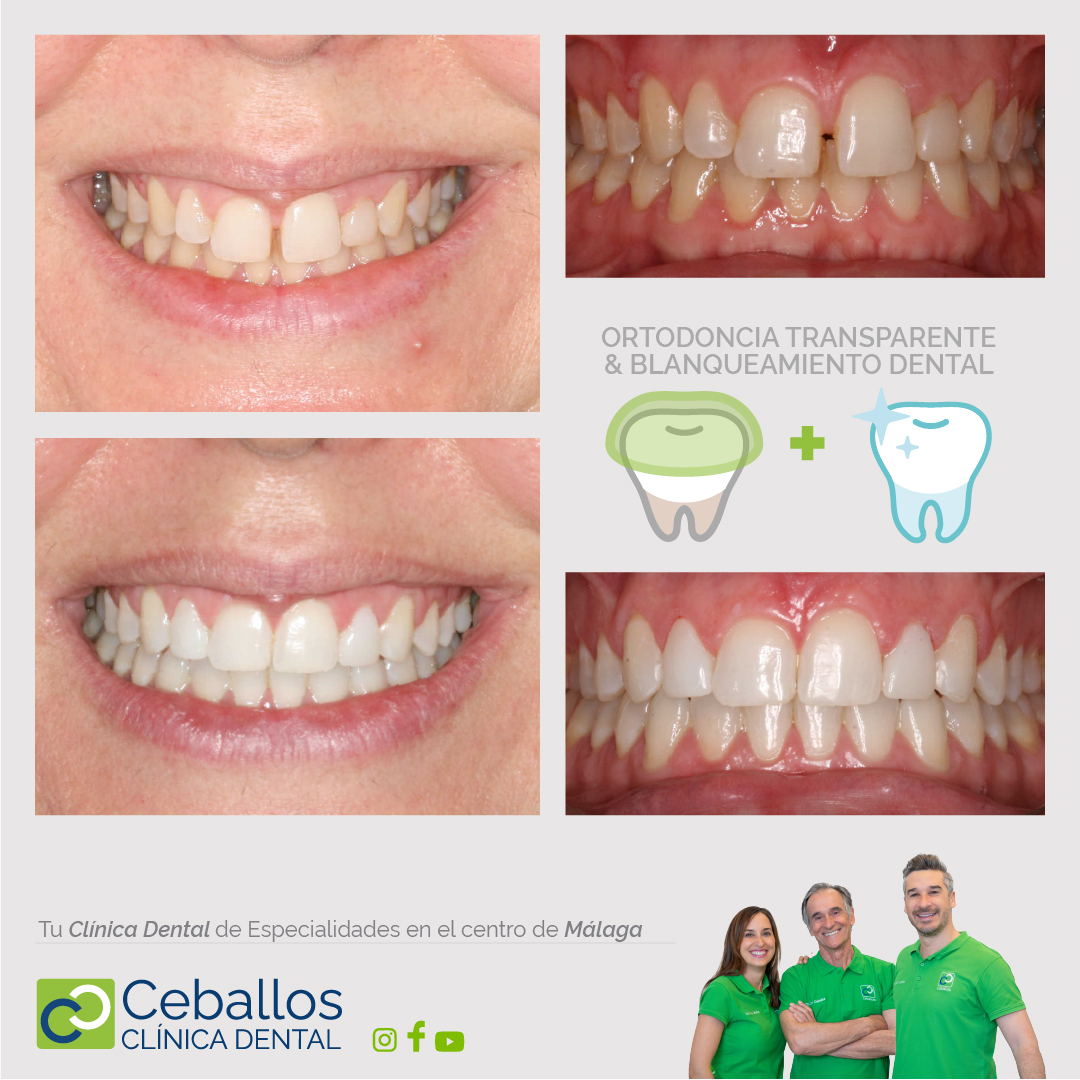
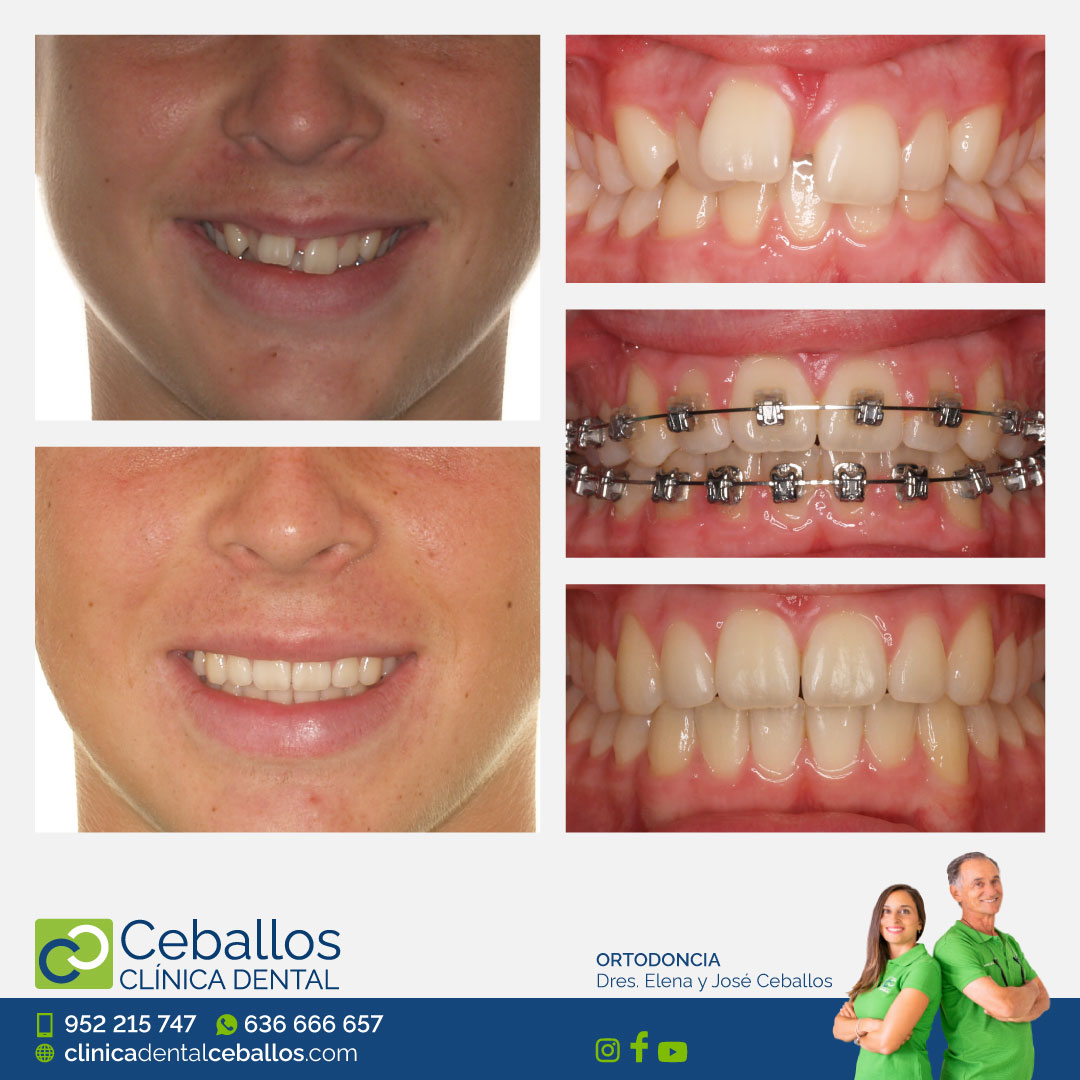
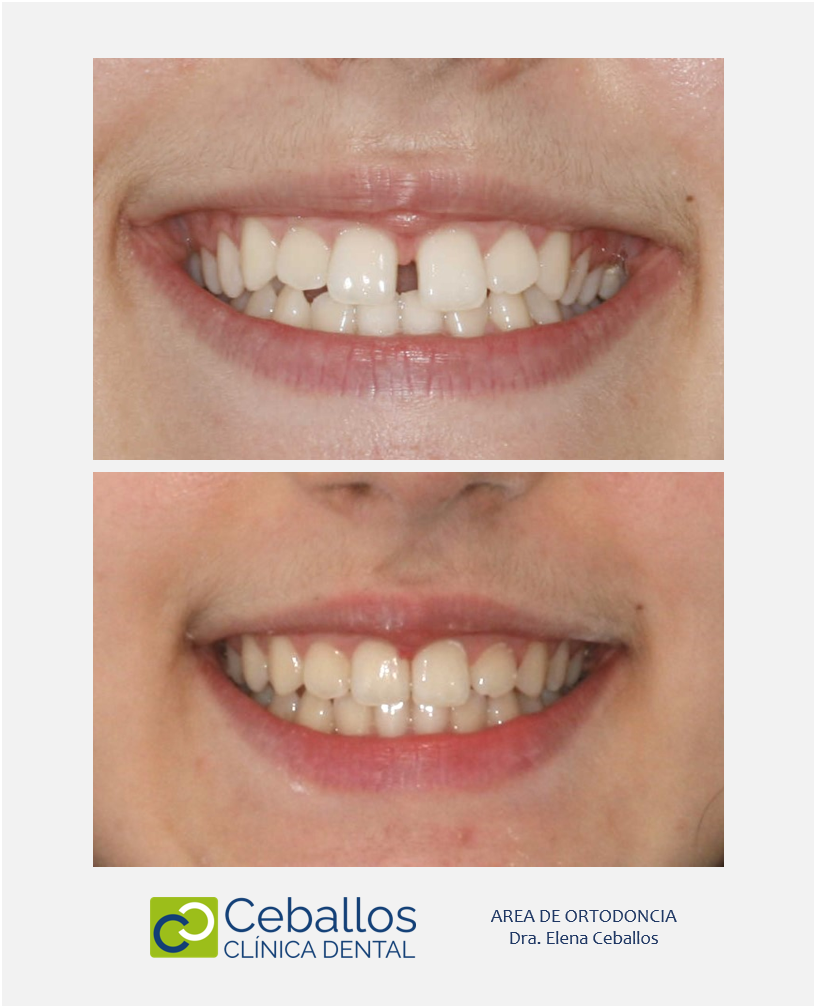
In Clínica Dental Ceballos we are experts in treating dental diastemas successfully, our patients have obtained excellent results in a short time, see our website for our success stories.
Schedule your appointment and transform your smile with Dr. José Ceballos and Dr. Elena Ceballos.
Sitio web: Ortodoncia Ceballos
Whatsapp: +34 952 215 747
+34 636 666 657


